OEM vs OLED vs Aftermarket iPhone Screens: Which Screen Replacement Is Best?
If your iPhone screen is cracked, damaged, or no longer functioning properly, one of the first questions you’ll face is which replacement screen option to choose. Many repair shops offer aftermarket screens, OLED screens, and OEM-quality screens, but most customers are unsure about the differences.
Understanding the advantages and limitations of each option can help you make an informed decision based on your budget, performance expectations, and long-term needs. Whether you’re searching for iPhone screen repair in Richmond Hill, OLED screen replacement near me, or OEM iPhone screen replacement, this guide explains everything you need to know.
Understanding iPhone Screen Technology
Modern iPhone displays are sophisticated components designed to provide excellent image quality, responsive touch functionality, and reliable performance. Depending on the model, iPhones use either LCD or OLED technology.
The display assembly typically consists of several layers, including protective glass, touch digitizer components, display panels, sensors, and internal circuitry. When damage occurs, repair technicians may recommend different replacement options based on the condition of the device and customer preferences.
What Is an Aftermarket iPhone Screen?
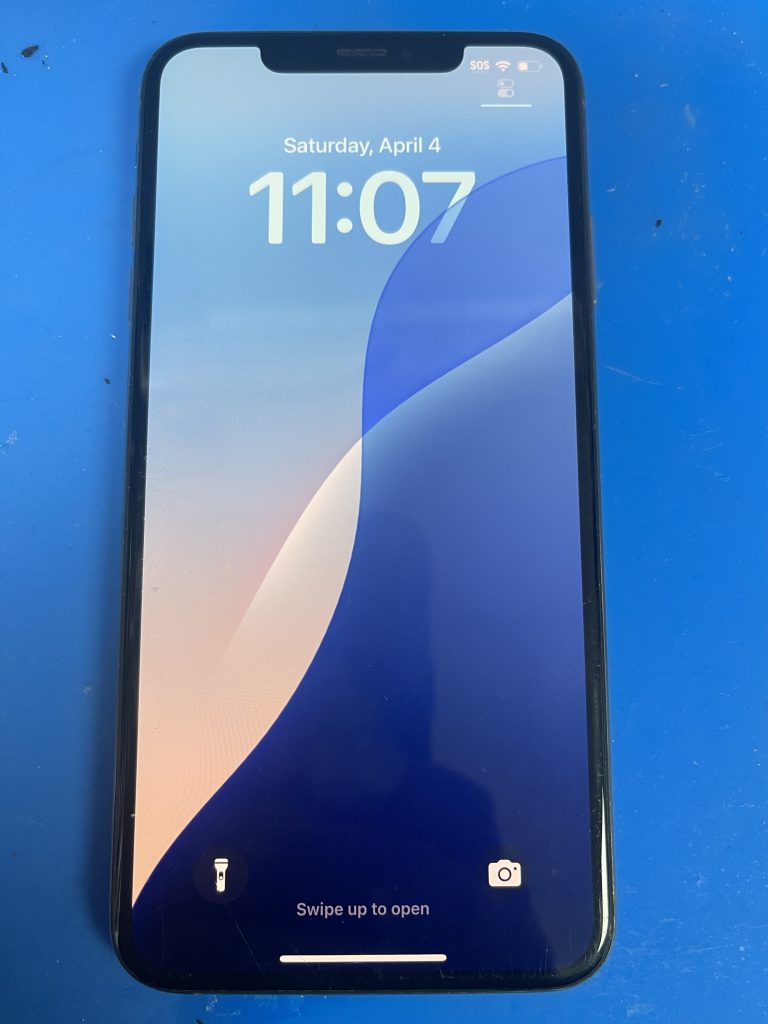
An aftermarket screen is a replacement display manufactured by third-party companies rather than Apple. These screens are commonly used because they offer a more affordable repair option compared to premium replacement displays.
Aftermarket screens are designed to restore basic functionality and appearance while keeping repair costs lower. Quality can vary depending on the manufacturer and specifications of the replacement part.
Benefits of Aftermarket Screens
- Lower repair costs.
- Affordable solution for older devices.
- Good functionality for everyday use.
- Widely available for many iPhone models.
- Suitable for budget-conscious customers.
Considerations for Aftermarket Screens
- Brightness levels may vary.
- Color accuracy may differ from the original display.
- Touch sensitivity can vary by manufacturer.
- Display quality depends on component quality.
- May not match original Apple display performance.
For customers seeking an economical repair solution, aftermarket screens can be a practical option, especially for older devices used primarily for calls, messaging, and everyday tasks.
What Is an OLED Screen Replacement?
OLED stands for Organic Light Emitting Diode. Many modern iPhones use OLED technology because it produces exceptional image quality, deep black levels, vibrant colors, and high contrast ratios.
When an OLED-equipped iPhone screen is damaged, replacing it with another OLED display helps maintain the premium viewing experience users expect from their devices.
OLED displays are especially popular among users who regularly watch videos, play games, view photos, create content, or use their devices professionally.
Benefits of OLED Screens
- Excellent brightness levels.
- Deep black colors.
- Outstanding contrast ratios.
- Sharp image quality.
- Smooth visual performance.
- Premium viewing experience.
Who Should Choose an OLED Screen?
Customers who value display quality and use their iPhones extensively for media consumption, photography, social media, gaming, and business applications often prefer OLED replacement screens.
OLED displays provide a viewing experience that closely resembles the performance expected from premium iPhone models.
What Is an OEM-Quality Screen?
OEM stands for Original Equipment Manufacturer. When customers discuss OEM-quality screens, they are generally referring to replacement displays designed to closely match the performance, appearance, and specifications of the original screen installed in the device.
OEM-quality screens are often selected by customers who want a premium repair option that prioritizes display quality, touch responsiveness, brightness, and overall user experience.
Benefits of OEM-Quality Screens
- Excellent color accuracy.
- Strong brightness performance.
- Reliable touch sensitivity.
- High-quality construction.
- Premium user experience.
- Performance similar to original displays.
Many customers choose OEM-quality displays because they want a repair that closely resembles the original screen experience.
Glass-Only Repair: Another Option to Consider
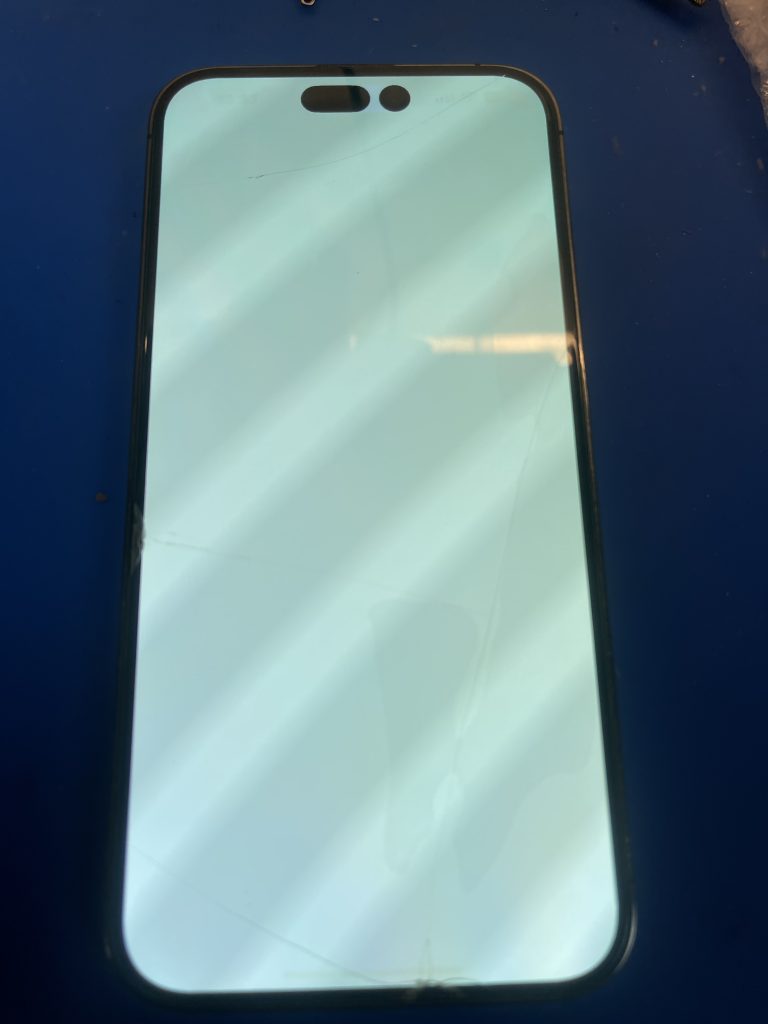
In some situations, customers may not require a complete screen replacement at all. If the display and touch functionality remain fully operational, glass-only repair may be possible.
Glass-only repair involves replacing only the damaged outer glass while preserving the original Apple display underneath. This option is especially attractive to customers who want to maintain the original display quality and retain the factory-installed screen.
Because the original display remains in place, customers continue using the same OLED or LCD panel that originally came with the device.
Benefits of Glass-Only Repair
- Keep the original Apple display.
- Preserve factory image quality.
- Maintain original brightness and color accuracy.
- Retain touch responsiveness.
- Restore appearance after glass damage.
- Avoid replacing a functional display.
Which Screen Replacement Is Right for You?
The best screen replacement option depends on your priorities and the condition of your device.
If affordability is your primary concern, an aftermarket screen may be the most practical choice. If you want enhanced image quality and premium performance, OLED replacement screens are often preferred. If you want a display that closely resembles the original viewing experience, an OEM-quality screen may be the ideal solution.
For customers with cracked glass but fully functional displays, glass-only repair can be an excellent option that preserves the original Apple screen.
Common Screen Problems That Require Repair
Regardless of which screen option you choose, our technicians regularly repair the following issues:
- Cracked screen glass.
- Broken OLED displays.
- Damaged LCD screens.
- Black screen problems.
- Display flickering.
- Dead pixels.
- Vertical display lines.
- Touchscreen responsiveness issues.
- Screen discoloration.
- Impact damage.
Professional iPhone Screen Repair in Richmond Hill
Our technicians provide professional iPhone screen repair services for customers throughout Richmond Hill, Thornhill, Markham, Vaughan, Maple, Aurora, King City, and Newmarket. We carefully inspect every device and explain available repair options so customers can make informed decisions.
Whether you choose an aftermarket screen, OLED display, OEM-quality replacement, or glass-only repair, we focus on quality workmanship and professional service.
Supported iPhone Models
We repair all supported iPhone models including iPhone 17 Pro Max, iPhone 17 Pro, iPhone 17, iPhone 17e, iPhone 16 Pro Max, iPhone 16 Pro, iPhone 16 Plus, iPhone 16, iPhone 16e, iPhone 15 Pro Max, iPhone 15 Pro, iPhone 15 Plus, iPhone 15, iPhone 14 Pro Max, iPhone 14 Pro, iPhone 14 Plus, iPhone 14, iPhone 13 Pro Max, iPhone 13 Pro, iPhone 13, iPhone 13 Mini, iPhone 12 Pro Max, iPhone 12 Pro, iPhone 12, iPhone 12 Mini, iPhone 11 Pro Max, iPhone 11 Pro, iPhone 11, iPhone XS Max, iPhone XS, iPhone XR, iPhone X, iPhone SE (2022), and iPhone SE (2020).
Need Help Choosing the Right Screen?
If you’re unsure whether an aftermarket, OLED, OEM-quality, or glass-only repair is the right option for your iPhone, our team can help. We assess the condition of your device and explain the advantages of each repair solution based on your needs and budget.
Contact us today to learn more about our professional iPhone screen repair services and discover which repair option is best for your device.
Call Today for Professional Iphone Screen Repair
If your Iphone is broken screen, trust the experienced team at Maple Cell Phone and Laptop Repair. From battery replacements and charging port repairs to advanced motherboard microsoldering and liquid damage recovery, we provide dependable Apple repair services backed by professional diagnostics.
📍 360 Newkirk Rd., Richmond Hill, ON L4C 3G7
📞 416-587-7105
🌐 https://maplelaptopservices.com/